UK goes tough on illegal immigrant; threatens to suspend visas for countries refusing to take back failed asylum seekers

UK goes tough on illegal immigrant
…threatens to suspend visas for countries refusing to take back failed asylum seekers
By Idun Maximus
United Kingdom new Home Secretary, Shabana Mahmood, has warned that countries refusing to accept rejected asylum seekers from Britain could face visa suspensions, in a move signalling a tougher approach to border control.
Speaking after her first international engagement in office, Mahmood pledged to act “further and faster” than her predecessor Yvette Cooper in cutting the number of people arriving in the UK through irregular routes, including small boat crossings.
“In this role, I will do whatever it takes to reduce irregular migration,” she said. “That means being clear with other countries that if your citizens have no right to remain here, they must be taken back.”
Mahmood outlined proposals to scale back or suspend visa access for countries that refuse or delay returns. The plan was discussed during talks with Britain’s Five Eyes security partners – the US, Canada, Australia and New Zealand – where migration pressures were high on the agenda.
“For us, that means including possibly the cutting of visas in the future,” Mahmood explained. “We expect countries to play ball, play by the rules. If a citizen has no right to be in our country, you do need to take them back.”
The warning could affect nations such as India, Pakistan, Bangladesh and Nepal, where demand for UK visas is high but the rate of returns of failed asylum seekers remains low. Prime minister Keir Starmer has already signalled a more “transactional” approach to visa policy.
Migration experts said the details of the proposal remained unclear. Madeleine Sumption, director of the Migration Observatory at Oxford University, said: “We don’t currently know what sort of restrictions the government has in mind. The nuclear option would be banning work, study or visitor visas altogether. A lighter approach could involve raising costs or limiting certain categories. The impacts would be very different depending on the route taken.”
She added that the effectiveness of such measures would vary from country to country. “Some governments don’t issue many visas anyway and may not be moved by restrictions. But others, such as India, have a long history of lobbying strongly for their citizens’ access to the UK, so their response could be more pronounced.”
Mahmood also revealed that she has long supported the introduction of national ID cards, although she declined to say whether ministers would push to make them compulsory. The new home secretary insisted the government would also look again at how human rights law is applied in the immigration system.
“The balance between human rights and secure borders isn’t in the right place at the moment,” she said, suggesting legislation and guidance could be tightened. Her remarks are likely to stoke debate, with Reform UK already calling for Britain to leave the European convention on human rights altogether, and senior Conservatives examining whether departure would be practical.
On asylum accommodation, Mahmood confirmed that military commanders are assisting the Home Office in sourcing temporary housing, including modular prefabricated units, as part of efforts to reduce reliance on hotels.
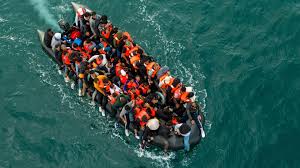
The warning to foreign governments comes amid record Channel crossings. More than 30,000 people have made the journey so far in 2025, the highest total for this stage of the year. Last weekend alone, 1,097 migrants were recorded arriving in 17 boats, bringing the overall tally to 30,100.